Column · @emilianopuia257
Jamaican Food in Denver: Where Caribbean Flavor Meets Local Dining
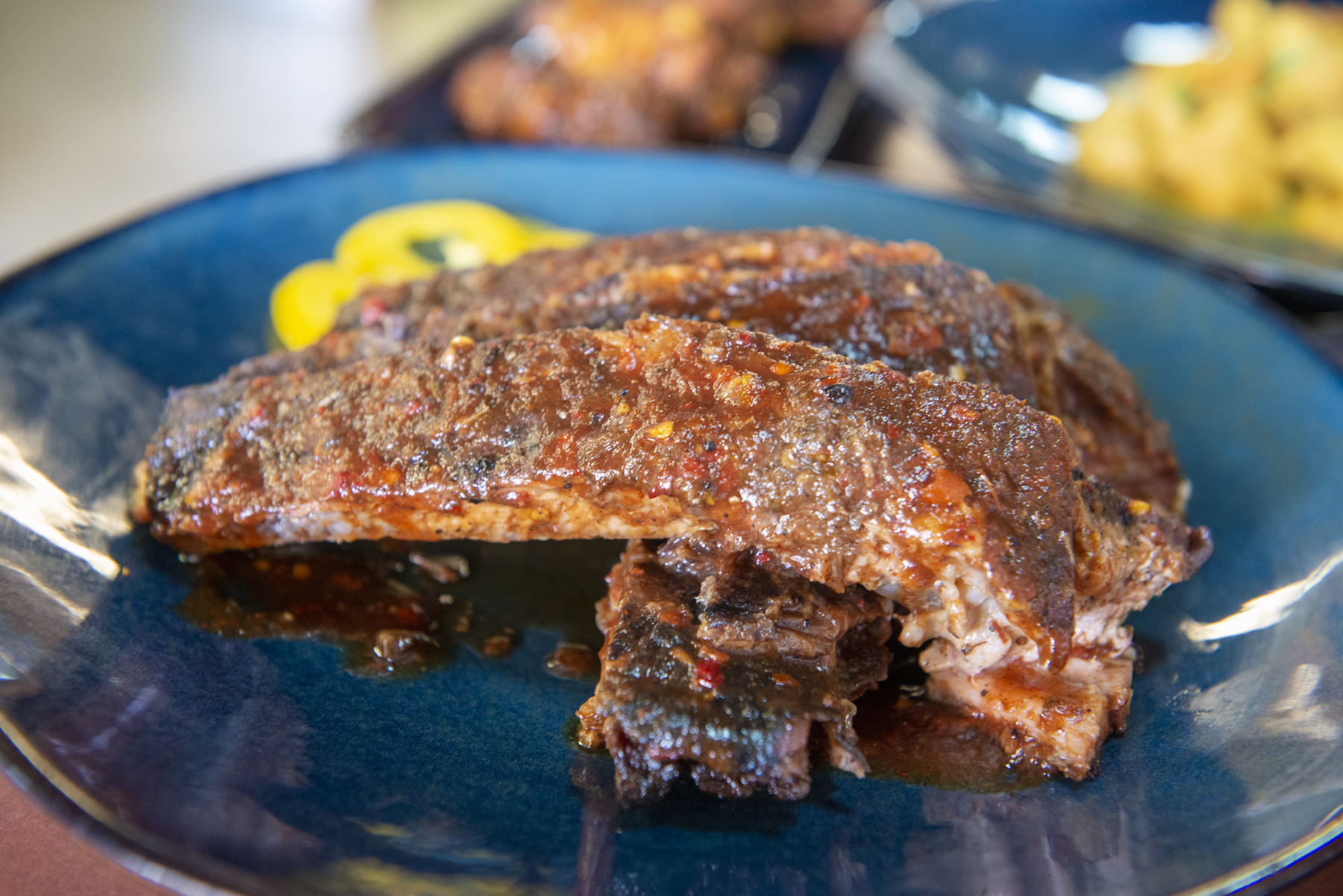
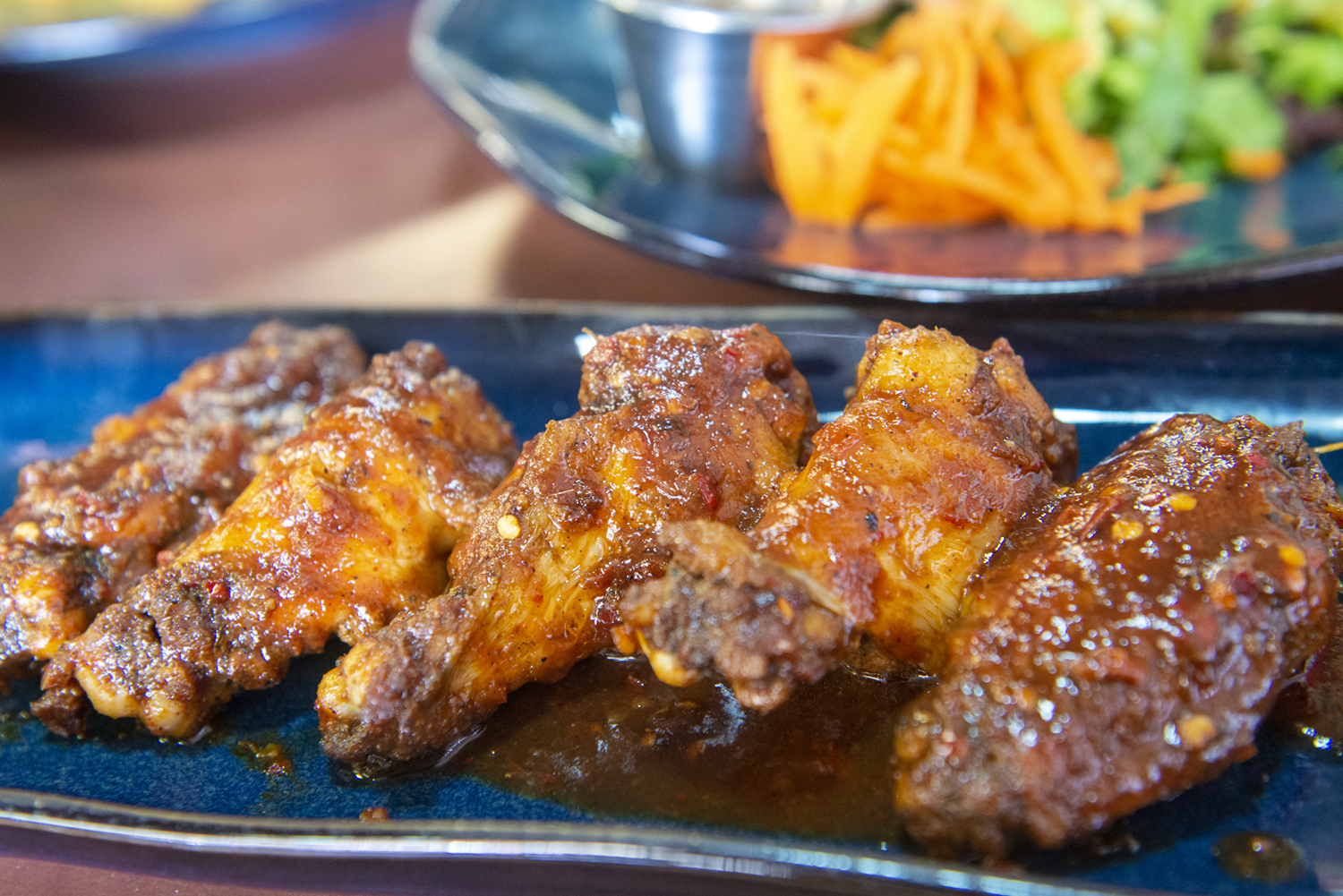
Denver has never been a one-note food city. For years, the conversation centered on steakhouses, green chile, breweries, and the polished farm-to-table spots that helped define the city’s modern dining identity. That story is still true, but it is no longer complete. The city now eats with a wider appetite, and one of the most compelling parts of that shift is the growing interest in Jamaican food. For diners searching for jamaican food denver, the appeal goes well beyond novelty. It is about flavor with backbone, cooking that respects time, and meals that feel both celebratory and deeply grounded.
Jamaican cuisine has a way of announcing itself before the plate arrives. You notice the spice first, then the sweetness, then the smoke, then a savory depth that lingers. A proper plate of jerk chicken, oxtail, curry goat, rice and peas, and plantains does not ask for attention politely. It earns it. In Denver, where diners have become more curious and more willing to follow bold flavor across neighborhoods, Jamaican cooking fits naturally into the local restaurant landscape.
That fit is not accidental. Denver’s dining scene rewards food with character. It has room for casual counters, family-run kitchens, late lunch discoveries, and destination spots where one signature dish builds a loyal following. Jamaican food thrives in exactly those environments. The cuisine is generous, aromatic, and direct. It also carries cultural weight. When done well, it brings history, migration, memory, and technique into the dining room without needing to explain itself at every turn.
Why Jamaican food resonates in Denver
Denver’s climate and geography are far from the Caribbean, but appetite does not depend on latitude. In fact, mountain city dining often benefits from contrast. There is something especially satisfying about eating richly seasoned, slow-cooked food in a place better known for cool evenings and thin air. The best Jamaican dishes hold warmth, spice, and comfort in the same bite, which makes them work surprisingly well year-round here.
The city’s population growth has also changed how people eat. New residents arrive with broader expectations. Longtime locals have become more adventurous. Neighborhoods that once supported only familiar staples now sustain regional and diasporic cuisines that would have struggled a generation ago. Jamaican food has found a place in that evolution because it offers something distinct without feeling inaccessible. Even a first-time diner can understand the appeal of crispy beef patties, grilled jerk chicken, or a plate of braised oxtail glazed in its own reduced juices.
Another reason the cuisine lands so well in Denver is that local diners increasingly value food with a story and a point of view. Jamaican cooking is built on layered influences, African, Indigenous, European, South Asian, and Chinese among them, all adapted through local ingredients and generations of island practice. That complexity shows up on the plate. Curry in Jamaica does not taste like curry from anywhere else. Jerk is not just “spicy grilled meat.” Rice and peas is never just a side. Denver diners who care about authenticity, not in a rigid gatekeeping sense, but in the sense of food made with real intention, tend to respond strongly to that kind of depth.
What defines Jamaican flavor
Anyone trying to understand jamaican food denver has to start with the seasoning. Jamaican cooking is not merely hot or bold. It is layered. Scotch bonnet peppers contribute heat, but they also bring fruitiness. Allspice, often called pimento in the Caribbean context, supplies warmth that reads almost sweet until smoke and char deepen it. Thyme, scallion, garlic, ginger, onion, and vinegar appear often, not as background filler but as structural flavors.
Jerk is the most recognized expression of those ingredients, yet it is often misunderstood. Traditional jerk is both a seasoning method and a cooking style. It depends on a blend of spice, herbs, and heat, then gains character from fire and smoke. In some settings, especially outside Jamaica, jerk becomes shorthand for “spicy sauce.” That can be tasty, but it misses the point. Good jerk carries complexity first, heat second. You should taste the allspice, thyme, sweetness, salt, and smoke before the pepper fully blooms.
Then there are the long-cooked dishes that anchor many Jamaican menus. Oxtail should arrive tender enough to pull apart with little effort, with a sauce that has body rather than watery gloss. Curry goat should be fragrant and earthy, the spices developed rather than raw. Brown stew chicken depends on patience and browning, with a savory sweetness that rounds out the dish. Even seemingly simple sides matter. Rice and peas needs aroma from coconut milk, thyme, and beans that hold their shape. Cabbage can be humble or excellent depending on how carefully it is seasoned and sautéed.
The result is a cuisine that rewards attention. Diners who only chase the hottest dish on the menu miss part of what makes Jamaican food memorable. The best versions are balanced. They carry acid, sweetness, salt, spice, texture, and often a touch of smoke. That balance is what keeps people coming back.
The Denver dining context
Denver is a city where restaurant success often depends on a careful balance between identity and approachability. Jamaican restaurants operate inside that reality. Some focus on quick-service plates and lunch traffic. Others lean into broader Caribbean menus. Some cater heavily and build a reputation through community events before a wider audience catches on. That matters because Jamaican food often enters the local mainstream in stages. A diner might first encounter a beef patty at a market, then order jerk chicken from a neighborhood spot, then return later to try escovitch fish or curry goat.
Local economics shape the menu too. Jamaican food relies on specific ingredients, but restaurants also have to navigate supply, cost, and consistency in Colorado. Scotch bonnet peppers are not always as easy or affordable to source as operators would like. Certain cuts, especially oxtail, have become dramatically more expensive over the last several years. That affects portions, menu pricing, and availability. Diners sometimes wonder why an oxtail plate costs noticeably more than chicken. The reason is simple: demand for oxtail has risen nationally, and a dish that was once viewed as relatively economical is now one of the costlier items for a restaurant to prepare.
Denver’s altitude adds its own practical wrinkle. Cooking at elevation changes timing, moisture retention, and consistency. Restaurants that produce excellent braises, stews, and grilled meats here do so because they have adjusted technique to local conditions. That is the kind of detail most guests never see, but it separates a good plate from a forgettable one.
What to order if you are new to it
For first-time diners, Jamaican menus can be both inviting and slightly opaque. Terms like escovitch, festival, or callaloo may not be familiar, and that can push people toward the safest possible order. There is nothing wrong with starting with jerk chicken, but the cuisine opens up quickly if you go one step further.
A smart first meal often includes one anchor protein, one starchy side, and one contrasting element. Jerk chicken with rice and peas and cabbage is a classic for a reason. The smoky spice meets soft rice, coconut richness, and vegetal sweetness. If the restaurant offers plantains, add them. Their caramelized edges soften the pepper and round out the meal. If you prefer something deeper and more savory, oxtail is often the most revealing dish on the menu. It tells you a lot about the kitchen’s patience and seasoning instincts.
Beef patties deserve special mention. People often treat them like snacks, and they can be, but a well-made patty is a compact lesson in Jamaican flavor. The pastry should be flaky and tinted golden from turmeric or curry powder. The filling should be moist, seasoned, and assertive. In a lunch setting, a patty and a drink can be enough. In a broader meal, it works as the opening note.
If you want a practical place to start, these dishes usually provide the clearest picture of a restaurant’s strengths:
- Jerk chicken, for smoke, spice, and balance
- Oxtail, for depth, texture, and long-cooked flavor
- Curry goat, for aromatic spice and tenderness
- Beef patty, for portability and everyday comfort
- Rice and peas with plantains, because the sides are part of the meal, not an afterthought
That lineup is not about ordering the “best” dishes in some universal sense. It is about understanding the range of the cuisine. A place that handles all five well is usually worth revisiting.
The difference between authentic and adapted
The word authentic gets overused in restaurant writing, often without much care. In Jamaican food, it is more useful to think in terms of integrity than purity. Does the food taste like it was made by people who understand the cuisine’s logic? Are the seasonings balanced correctly? Do the techniques reflect real knowledge rather than a borrowed aesthetic?
Adaptation is not the enemy. Every restaurant adapts to its market in some way. Heat levels may be adjusted. Certain seafood dishes may appear less often because local demand is unpredictable. Portions may be structured around lunch habits in Denver rather than family-style expectations elsewhere. None of that automatically makes the food less meaningful. Problems start when adaptation strips out the very qualities that define the cuisine, when jerk loses its smoke, when curry tastes flat, when sides become generic filler.
Some Denver-area diners also assume Caribbean food is interchangeable, which can blur distinctions between Jamaican, Trinidadian, Cuban, Puerto Rican, and broader pan-Caribbean menus. Those cuisines share historical threads, but they are not the same. A restaurant may offer a hybrid menu for sound business reasons, yet diners who care about Jamaican food should pay attention to what the kitchen does with specifically Jamaican preparations. That is where real identity shows itself.
The role of atmosphere and hospitality
One reason Jamaican restaurants often build loyal followings is that the experience tends to feel personal. Even in a simple counter-service setting, there is usually a sense of directness to the exchange. Portions matter. Recommendations matter. Regulars matter. Food arrives with a kind of confidence that says the kitchen knows what this dish is supposed to be.
That quality fits Denver well. For all its growth, the city still favors places that feel grounded in community. There is room for polished design, but there is equal room for restaurants where the appeal comes from the smell coming out of the kitchen and the certainty that someone has been perfecting the same recipes for years. Jamaican food does not need a theatrical setting to make an impression. Often the strongest meal comes from the least fussy room.
Hospitality also shapes how diners perceive unfamiliar dishes. A server or owner who takes a minute to explain the difference between brown stew and curry, or who warns you that the house jerk has real heat, can turn curiosity into trust. That kind of interaction matters more than many operators realize. People return to places where they feel guided rather than sold to.
Pairing Jamaican food with Denver habits
Denver diners often build meals around routines, lunch between meetings, takeout after work, weekend brunch, a quick dinner before a concert. Jamaican food fits some of those routines better than others, and understanding that helps set expectations.
Takeout can work extremely well for stewed dishes. Oxtail, curry goat, and brown stew chicken often travel beautifully because they continue to settle and meld in the container. Rice and peas holds up well too. Jerk, however, is a little more delicate. It can still be excellent to go, but the ideal version is eaten fresh enough to preserve char, texture, and the contrast between crisp edges and juicy interior. Fried items, including patties, are similar. They are best before steam softens them.
Lunch is where Jamaican food often wins new fans. A well-priced lunch plate with one protein and two sides introduces the cuisine without demanding a major commitment. Once diners find a favorite, they tend to branch out. Catering is another strong lane. Jamaican food handles buffet-style service better than many cuisines because so many dishes are built around braises, rice, and seasoned sides that maintain their quality over time.
For anyone ordering strategically, a few habits help:
- Eat jerk as fresh as possible when you can
- Choose braised dishes for delivery or longer takeout drives
- Ask about heat level rather than guessing from the menu description
- Do not skip the sides, they carry much of the meal’s character
- If oxtail is sold out late in the day, take that as a useful sign, not a disappointment
That last point comes from experience. In many serious kitchens, the most labor-intensive dishes are made in finite quantities. Running out can be frustrating for diners, but it usually means the restaurant is cooking with intention rather than stretching product beyond its best window.
Where local dining and Caribbean flavor truly meet
The most interesting part of jamaican food denver is not simply that the cuisine exists in the city. It is the way it interacts with local dining habits without losing its center. Denver likes food that feels honest, substantial, and memorable. Jamaican cooking checks all three boxes. It is honest because its flavors are unapologetic. It is substantial because even modest plates tend to eat like real meals. It is memorable because the seasoning profile sticks with you long after dinner.
There is also a wider lesson here about how cities mature as food destinations. They do not become better just by adding more restaurants. They improve when they make room for cuisines that carry history and technique, then allow those cuisines to be appreciated on their own terms. Jamaican food contributes exactly that kind of value. It broadens the local palate while reminding diners that comfort food does not have to be bland, and bold food does not have to be one-dimensional.
Some of the best meals in Denver now come from places that do not fit an old stereotype of what “Denver dining” is supposed to look like. A tray lined with jerk chicken, rice and peas, cabbage, and sweet plantains can be every bit as representative of the city’s current food identity as https://tysondzij492.terracolumn.com/posts/craving-jamaican-food-in-denver-start-here a bison steak or a chile-smothered breakfast plate. That is not a replacement story. It is an expansion, and a welcome one.
What to pay attention to when judging a Jamaican restaurant
A thoughtful diner can learn a lot from a first visit. Start with aroma. A serious Jamaican kitchen usually announces itself through spice and browning before you sit down. Then notice the sides. If the cabbage is underseasoned or the rice tastes generic, the mains may not carry the meal as far as you hope. Texture matters too. Jerk should not be soft all the way through. Oxtail should be tender but not shapeless. Plantains should be sweet with some caramelization, not pale and starchy.
Heat is worth discussing with nuance. Many people approach Jamaican food as a test of spice tolerance, which is the wrong frame. Scotch bonnet heat can be intense, but in good cooking it serves flavor rather than domination. If every dish tastes only hot, something is off. If the heat rises gradually and leaves room for herbs, smoke, and sweetness, the kitchen knows what it is doing.
Value is another point where judgment matters. Jamaican food can look expensive to diners comparing it to generic takeout, especially when labor-heavy dishes are involved. But cost should be assessed against portion size, ingredient quality, and cooking time. A properly made plate of oxtail or curry goat involves hours of work and increasingly costly product. If the food is well executed, the price often makes more sense than it first appears.
A cuisine with staying power
Trends pass through Denver quickly. What lasts is food that people want on ordinary Tuesdays, not just during a burst of social media excitement. Jamaican food has that staying power because it satisfies on multiple levels. It is craveable, but it is also comforting. It can be festive, but it also works as everyday dinner. It appeals to the adventurous eater and the diner who simply wants a filling plate that tastes like someone cared.
For restaurants, that durability matters. A cuisine survives in a competitive market when it creates regulars, not just first-time visitors. Jamaican food does that through repetition of pleasure. Someone orders jerk chicken once, then comes back for oxtail. Someone tries a patty at lunch, then brings friends for a larger dinner. Someone who usually stays cautious with spice discovers that plantains, rice and peas, and curry make a complete meal worth exploring further. That gradual loyalty is how neighborhoods build staple restaurants.
Denver’s food scene is stronger for having more of these experiences available. Jamaican cuisine adds warmth, range, and a sense of cultural depth that enriches the city’s table. For anyone searching for jamaican food denver, the real reward is not only finding a good meal. It is discovering how naturally Caribbean flavor belongs in the rhythm of local dining, one smoky, fragrant, deeply satisfying plate at a time.
Reggae Pot Jamaican Grill
Address: 2243 S Monaco St Pkwy #104, Denver, CO 80222
Phone number: +17204102956
FAQ About Jamaican Food Denver
What is typical Jamaican food?
Typical Jamaican food features bold, vibrant flavors created by blending African, Taino, European, and Asian influences.
What is a famous Jamaican dish?
Ackee and saltfish is Jamaica's national dish, made by sautéing the soft local ackee fruit with salted cod, onions, tomatoes, and spicy Scotch bonnet peppers.
What food is most popular in Jamaica?
The most popular and famous food in Jamaica is Jerk Chicken, celebrated worldwide for its smoky, spicy flavor.